There are some conversations we should not wait until later in life to have.
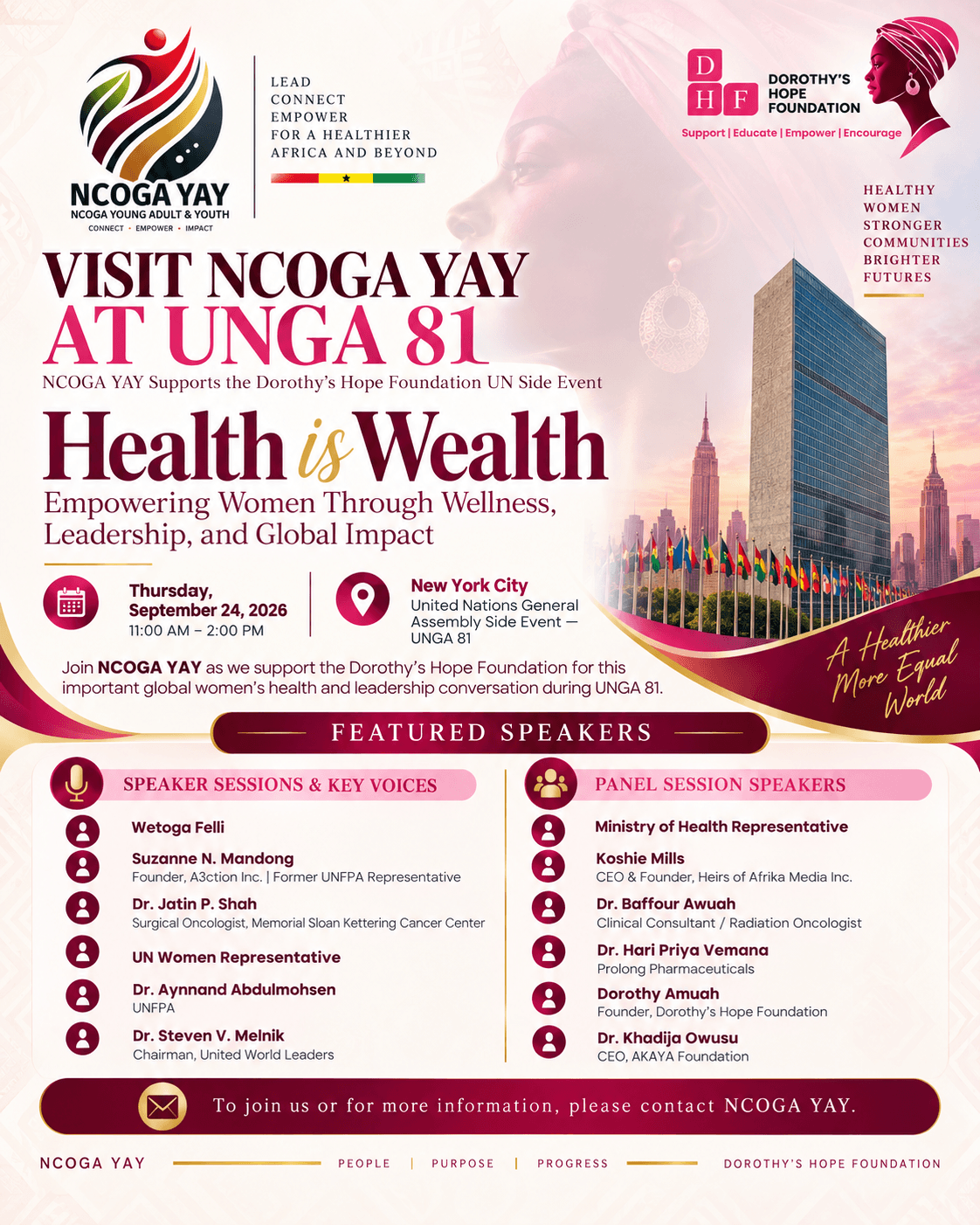
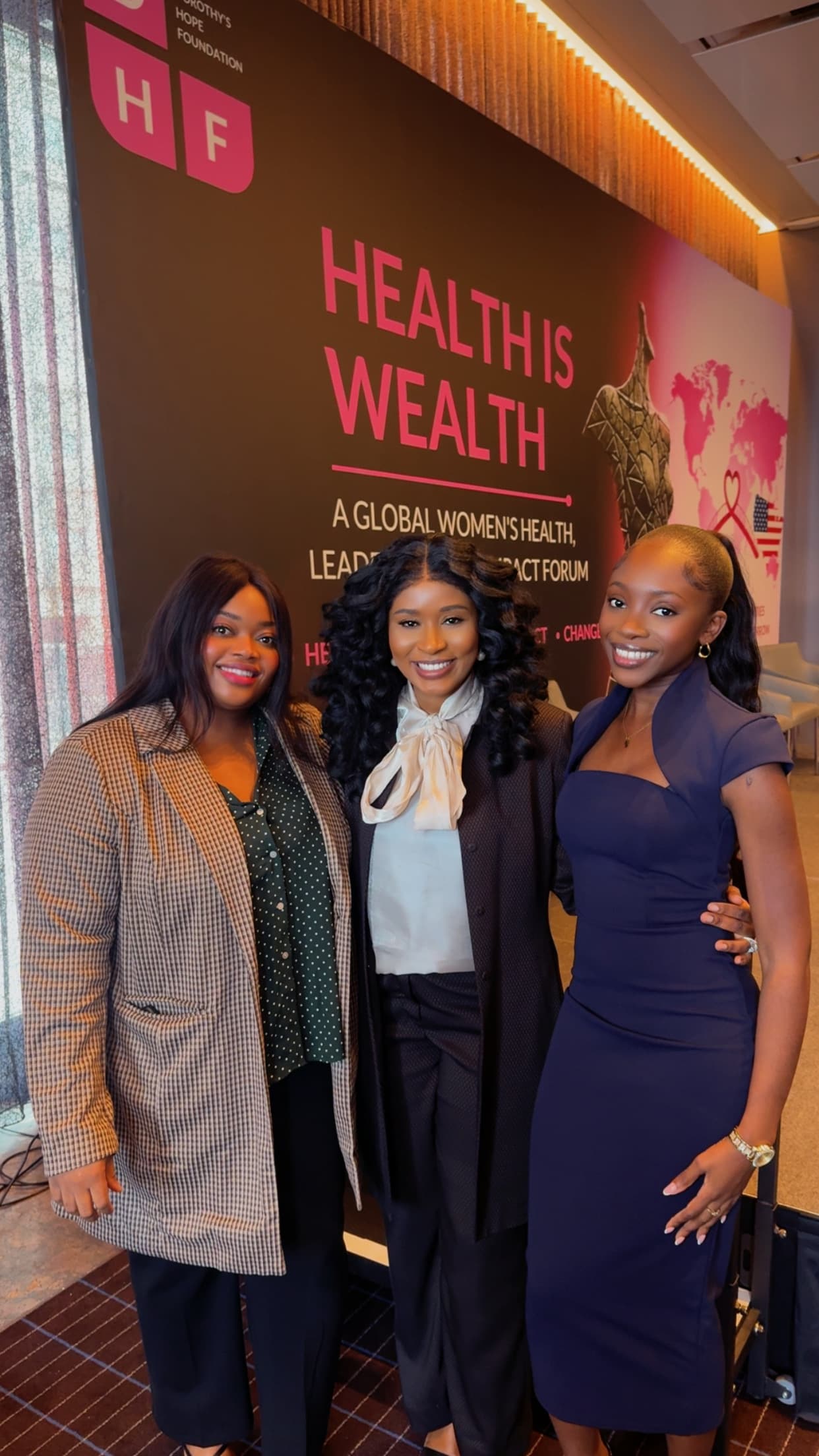
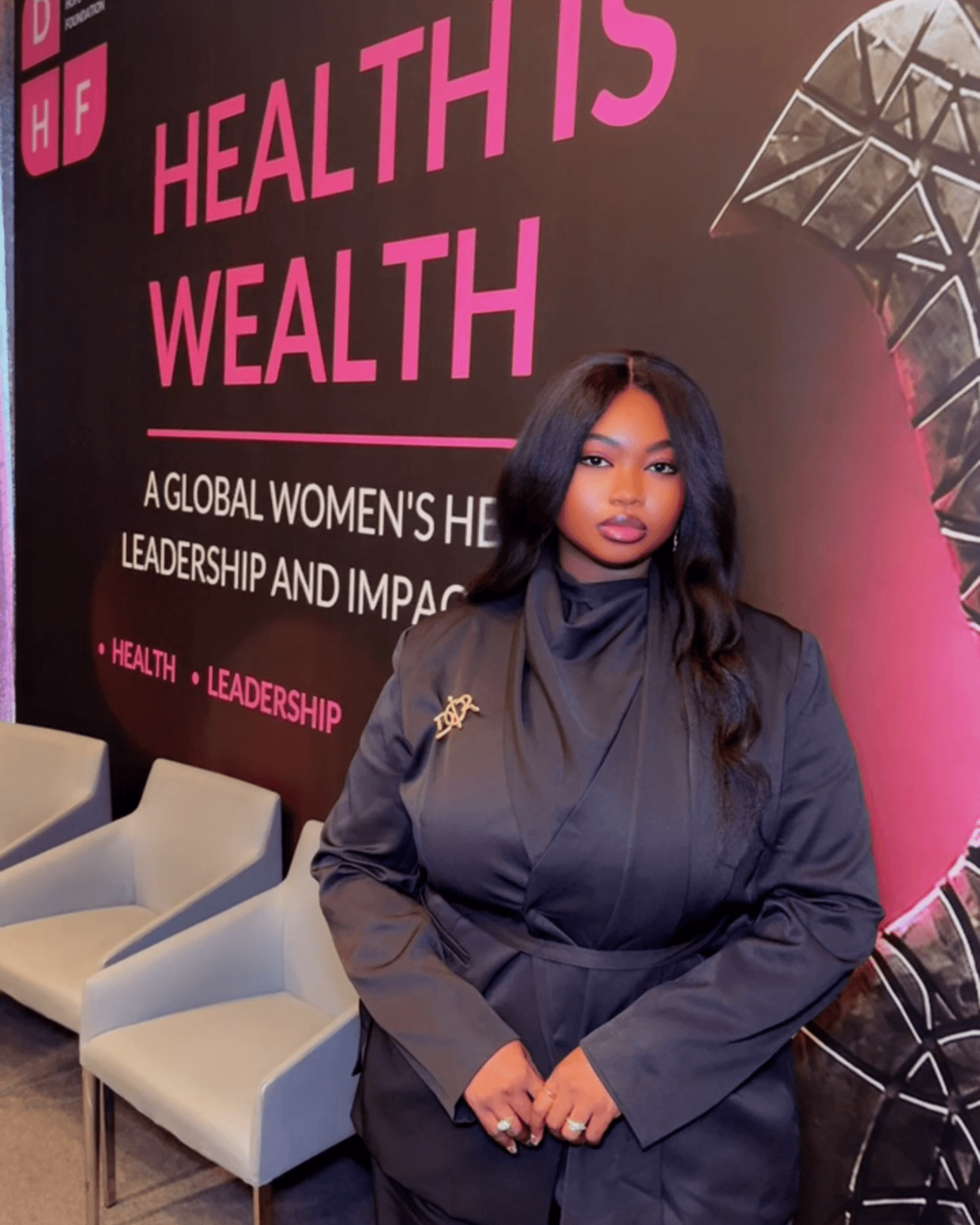
On September 24, NCOGA YAY joined Dorothy’s Hope Foundation (DHF) in New York City as a supporter of the Health Is Wealth: Global Women’s Health, Leadership and Impact Forum, held alongside the 81st United Nations General Assembly. The gathering brought together healthcare professionals, advocates, leaders and members of the diaspora for a wide-ranging conversation about women’s health and the systems surrounding it.
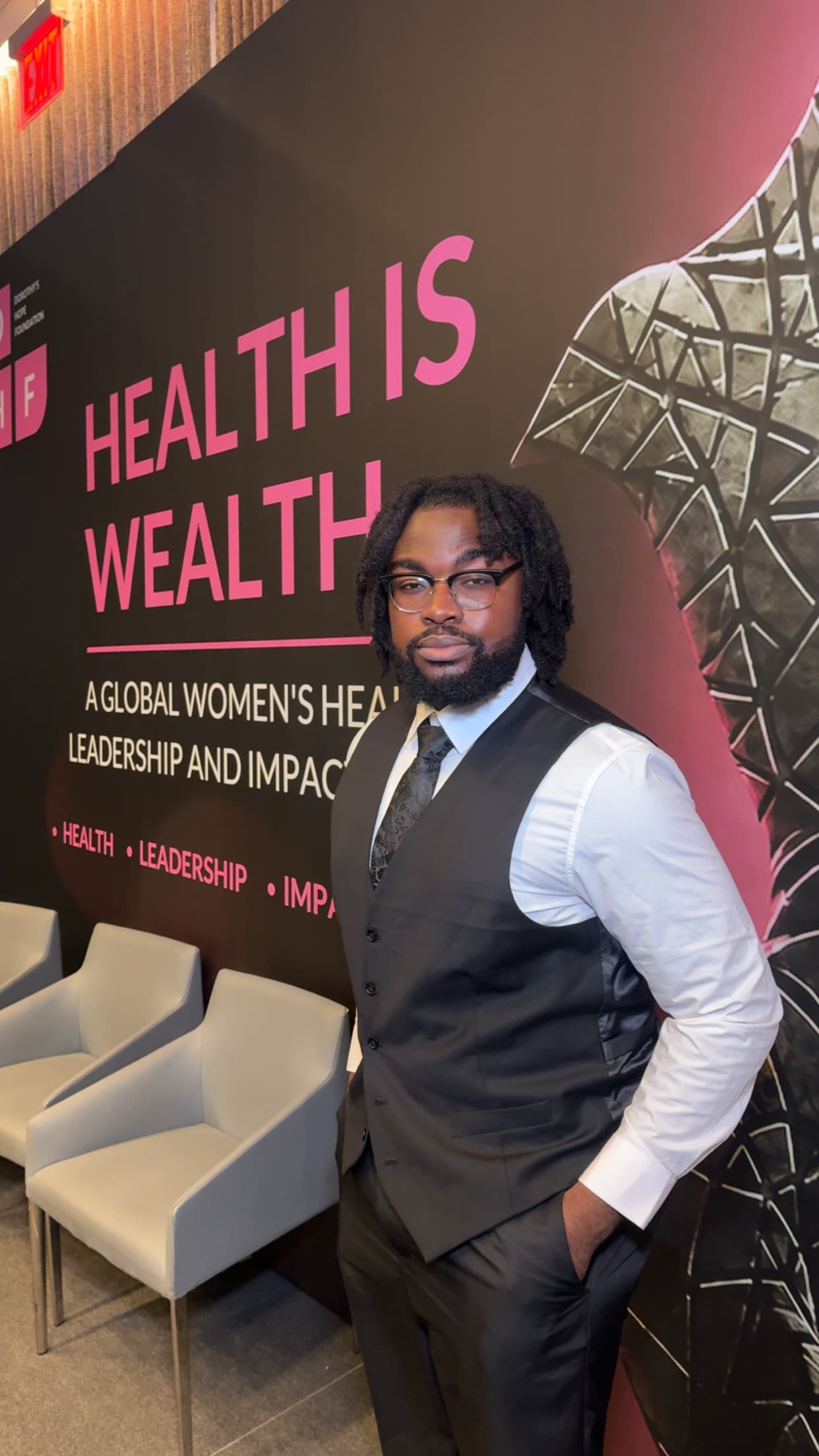
Representing NCOGA YAY at the forum were Anna Agbotse, MPA, Chair of Public Affairs, and Williams Oppong. Their participation provided an opportunity to listen to professionals and advocates who have spent years working across cancer care, public health, advocacy, community support and women’s health.
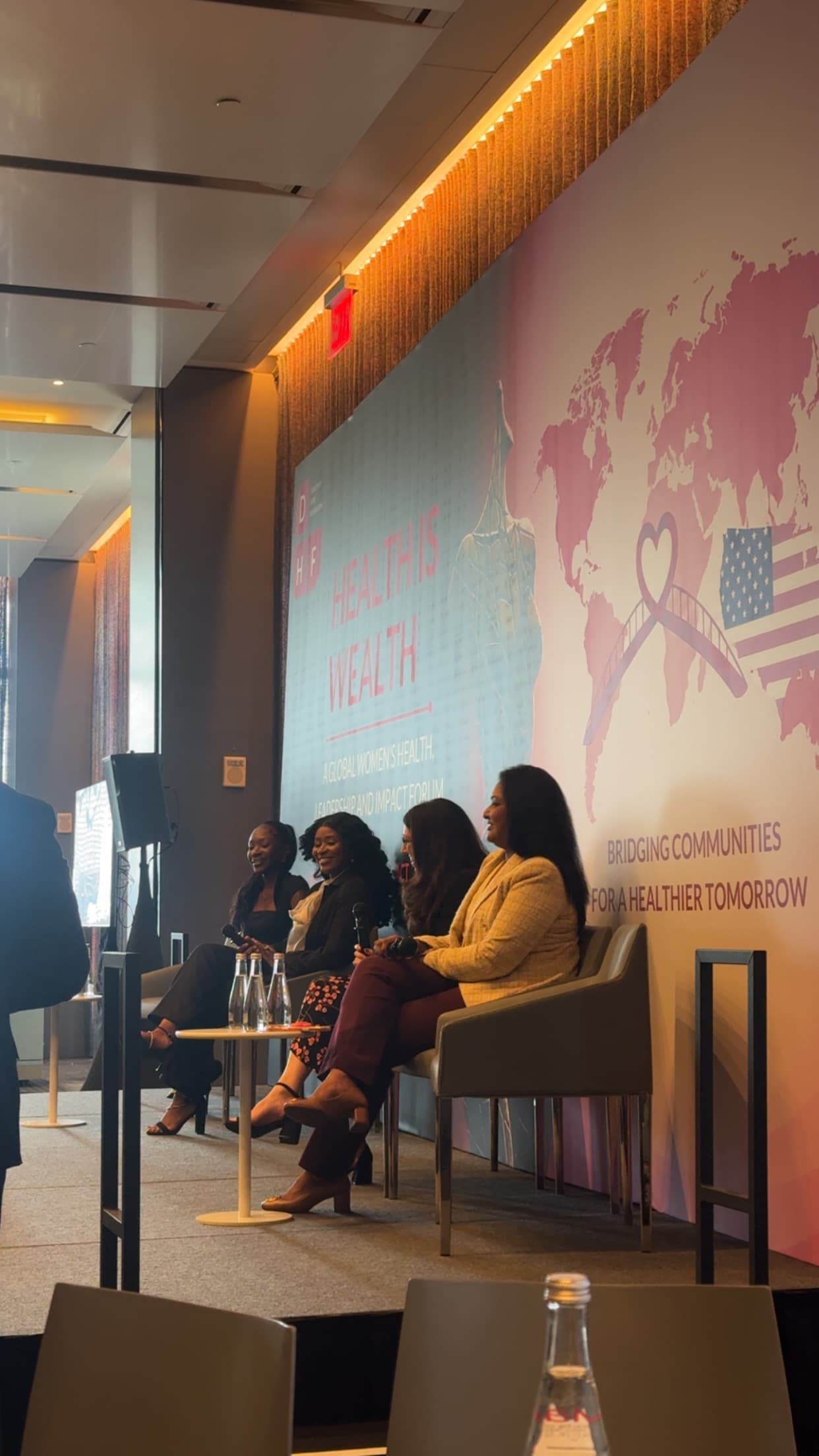
Breast cancer was at the heart of much of that conversation.
The discussions moved beyond general awareness. Speakers and panelists addressed prevention and early detection, treatment therapies, the breast cancer journey and social support, women’s mental health, health infrastructure, and investment. The program also examined how Africa and its diaspora can build stronger health partnerships across borders.
For Anna and Williams, there was a lot to take in. They heard not only from professionals working across cancer care and public health, but also from people whose lived experiences give the work its urgency.
Dorothy Amuah, founder of Dorothy’s Hope Foundation, is herself a breast cancer survivor. What began from her personal experience has grown into an organization working on awareness, early detection, patient support, and stronger cancer-care systems in Ghana. Since its founding in 2014, DHF has taken cancer education and screening into communities and has supported improvements to cancer-care infrastructure, including work at Korle Bu Teaching Hospital.
That history made the conversation feel less theoretical.
What Do Young People Do With This Information?
For Anna and Williams, that was one of the questions they left thinking about.
We often think of breast cancer as a conversation for patients, survivors, doctors or perhaps older generations. But awareness starts much earlier than diagnosis.
Young people are already part of families where these conversations matter. We are daughters and sons, siblings, friends, caregivers, and future parents. We are also entering careers in medicine, technology, communications, research, policy, business, and countless other fields that influence how information and resources reach communities.
Our role does not have to begin with expertise.
It can begin by knowing more than we knew yesterday. By sharing accurate information instead of misinformation. By becoming comfortable talking about screening and early detection. By listening to survivors. By supporting the people and organizations that have been doing this work long before we entered the room.
And eventually, by asking where our own skills may be useful.
A Conversation That Continues
One part of the forum looked specifically at bridging Africa and the diaspora through health investment across borders. That discussion was particularly relevant for a diaspora organization like NCOGA YAY.
Anna and Williams did not leave Health Is Wealth believing they had the answers.
They left with better questions.
How do we make conversations about breast cancer easier to have in our families? How do we reach young people before health information becomes personally urgent? How can diaspora communities strengthen work already happening in Ghana without assuming we know what communities need? And how do we turn awareness into something people can actually use?
Those are conversations worth continuing.
Health is wealth. But knowledge, early action, and community may be some of the ways we protect it.